
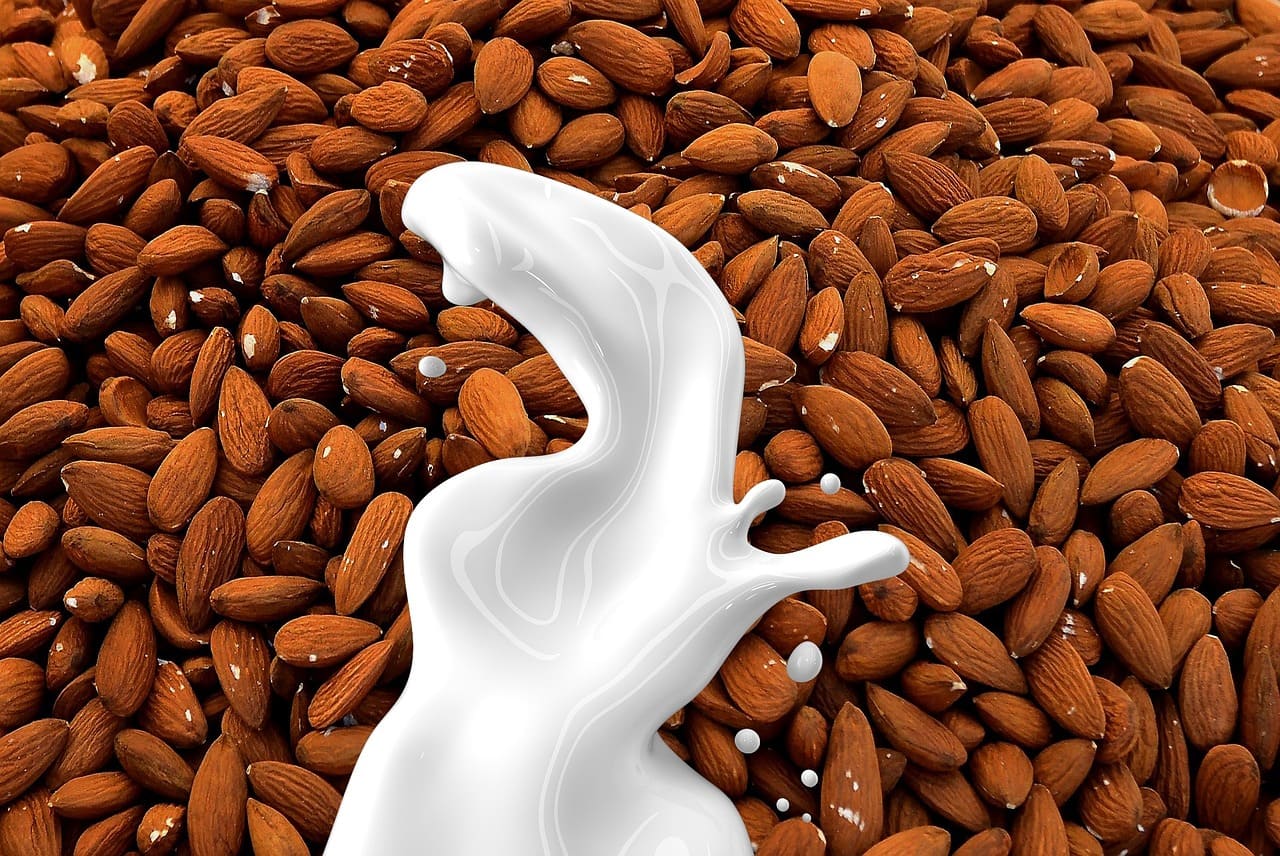
Silk almond milk has become a go-to for people who want a reliable, light dairy-free option that fits easily into daily routines. It’s known for a clean taste, a gentle nuttiness, and a texture that works well in everything from cereal to smoothies. For many households, Silk is the “default” almond milk because it’s consistent—once you know how it behaves in your coffee or baking, it’s easy to keep buying without guesswork. But almond milk isn’t one-size-fits-all, especially when you factor in sweetness levels and flavored varieties. In this guide from Other Than Milk, we’ll explore what makes Silk almond milk popular, how vanilla options change the experience, and when almond milk is the right choice versus a creamier substitute.
What Silk Almond Milk Tastes Like (and Why People Like It)
Most almond milks are lighter than oat or soy, and that’s part of the appeal. Silk almond milk tends to taste mild and slightly nutty without being heavy. When served cold, it’s especially refreshing and works well for people who find richer plant milks too thick.
If you’re shopping and see labels like silk brand almond milk, you’re usually looking at the classic, widely available base line. It’s designed to be versatile: neutral enough for daily use, but flavorful enough that it doesn’t feel like plain water.
Texture-wise, almond milk is typically thin compared to dairy, so it’s ideal for:
- Drinking straight
- Cereal and granola
- Smoothies (especially fruit-based)
- Lighter baking recipes
Where it can feel less satisfying is in recipes that require richness, like creamy soups, thick sauces, or decadent desserts. That’s not a flaw—it’s simply a texture mismatch for certain goals.
Vanilla Almond Milk: Sweetness and Flavor in One Pour
Vanilla almond milk is popular because it turns a basic milk alternative into something that feels like a treat. Silk’s vanilla line is often chosen for coffee drinks, smoothies, and kid-friendly cereals because the flavor adds warmth and sweetness without extra effort.
You might see people search for silk vanilla almond milk, almond silk milk vanilla, or silk milk almond vanilla—these phrases usually reflect the same desire: that smooth almond base plus a noticeable vanilla finish.
Vanilla versions are best when you want the milk to contribute flavor. They’re great for:
- Iced coffee or cold brew
- Protein shakes
- Oatmeal and overnight oats
- Dessert-style smoothies
For savory cooking, though, vanilla almond milk can create odd results, so most cooks keep an unsweetened version on hand for sauces and soups.
How It Performs in Coffee, Cereal, and Smoothies
In coffee, almond milk is a popular pick for iced drinks because it stays light and refreshing. For hot coffee, results depend on the blend and how you heat it. Some almond milks can separate slightly with high heat, so warming gently and stirring well helps. If you like a creamier coffee feel, you may prefer a barista-style almond milk or a blend designed for foam.
In cereal, Silk almond milk shines: it doesn’t overpower flavors and stays pleasant even when the bowl sits for a while. In smoothies, it’s excellent for fruit, chocolate, and vanilla profiles—especially when you want a lighter texture than oat milk.
Cooking and Baking: Where Almond Milk Works Best
Almond milk works well in baking where you need moisture but not heavy richness. Pancakes, muffins, and quick breads often do great with almond milk, especially when the recipe already includes fats like oil or butter substitutes.
For creamy dishes, it can still work—just be honest about the goal. If you’re making a sauce that needs body, almond milk alone may feel too thin. In those cases, you can thicken with a small amount of starch, or choose a richer dairy-free option.
This is also where the idea of a half and half cream substitute becomes useful. If your recipe or coffee order calls for something richer than almond milk, you can create a half and half cream substitute by blending a thicker plant milk with a lighter one, or by using a plant-based creamer designed to mimic dairy richness. Almond milk can be part of that mix, but it usually needs a richer partner to reach true “half and half” texture.

Choosing the Right Silk Almond Milk for Your Needs
When deciding which version to buy, think in categories:
- Unsweetened: best for flexibility, especially cooking
- Vanilla: best for flavor-forward drinks and sweet breakfasts
- Sweetened original: a middle ground for general sipping
If you’re watching sugar intake, vanilla varieties can vary widely, so checking the nutrition label is a smart habit. And if you’re sensitive to aftertaste, try a few versions—some people prefer the flavor of one variety much more than another.
Conclusion
Silk almond milk remains popular because it’s easy to use, easy to like, and easy to keep consistent in your routine. Whether you prefer the everyday reliability of silk brand almond milk or the dessert-like warmth of silk vanilla almond milk (also searched as almond silk milk vanilla or silk milk almond vanilla), the key is matching the carton to the job. Almond milk excels in cereal, smoothies, and lighter baking, while richer recipes may call for something thicker—or a smart half and half cream substitute when you want extra creaminess. With the right version in your fridge, Silk almond milk can be a dependable part of “Other Than Milk” living every day.