Lactose-free milk can feel like the perfect solution when dairy upsets your stomach but you still want the taste, nutrition, and cooking reliability of cow’s milk. But what happens when you can’t find your usual carton, you’re cooking for someone who needs to avoid dairy entirely, or you want a backup option that still works in coffee and recipes? That’s where substitutes for lactose-free milks come in. The key is understanding the difference between lactose-free and dairy-free, then choosing a replacement that matches your goal—taste, texture, nutrition, or how it behaves under heat. In this guide from Other Than Milk, we’ll compare common choices, explain when each substitute makes sense, and share practical ways to keep your kitchen flexible.
Lactose-Free vs Dairy-Free: The Most Important Distinction
Lactose is the natural sugar found in milk. Lactose-free milk is still dairy milk, but it’s been treated with the enzyme lactase so your body doesn’t have to break down lactose on its own. That’s why cartons labeled lactose free cow milk still contain dairy proteins like casein and whey.
Dairy free milk is different: it contains no dairy ingredients at all. That matters for allergies. If someone has lactose intolerance, lactose-free dairy may be enough. If someone has a true dairy allergy, they need dairy-free options.
So before choosing a substitute, decide: are you avoiding lactose, or avoiding dairy entirely?
When Lactose-Free Dairy Is the Best Substitute
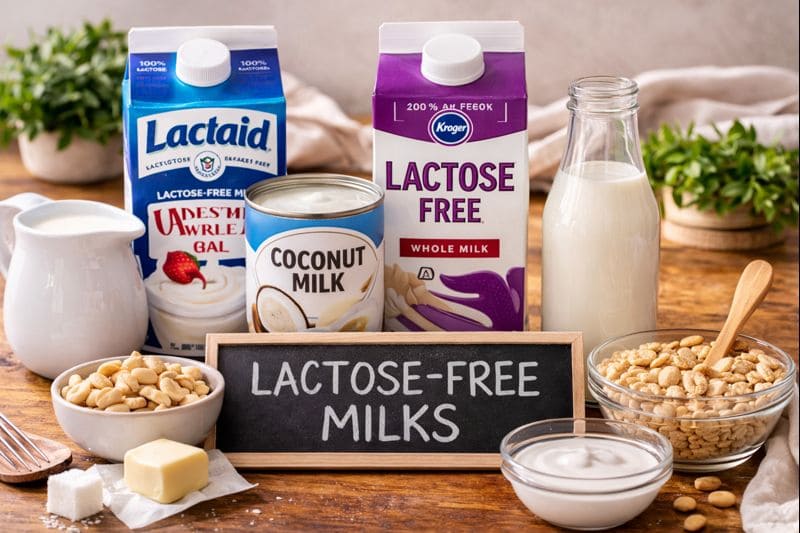
If you like dairy taste and just need it to be easier to digest, the simplest substitute for lactose-free milk is…another lactose-free dairy milk. Many people rely on brands like lactaid milk because it behaves almost exactly like regular milk in cereal, coffee, sauces, and baking. It’s especially useful for households that want one carton everyone understands.
If you’re substituting within dairy, you don’t need to relearn cooking behavior. Lactose-free dairy browns, thickens, and tastes like dairy. That reliability can be the biggest advantage when you’re baking or making a recipe where the milk flavor really matters.
When You Need to Go Fully Dairy-Free
Sometimes lactose-free dairy still isn’t the right choice—like when serving a guest who avoids all dairy or when you’re simply transitioning away from dairy products. In that case, your substitute becomes dairy free milk, and the “best” option depends on how you’re using it.
Here’s a simple way to choose:
- For coffee: pick a creamy plant milk that blends smoothly.
- For cereal: choose something mild and easy to sip.
- For cooking: choose unsweetened plant milk so you don’t add sugar to savory dishes.
- For baking: choose a neutral option that won’t change flavor too much.
If you’re used to lactose-free dairy, the biggest adjustment is texture. Some plant milks feel thinner, while others feel creamy but slightly sweet. The good news is you can choose based on your preferences rather than forcing a one-size-fits-all carton.
Substitutes in Cooking: Matching Function, Not Just Flavor
Milk plays different roles in recipes. Sometimes it’s just moisture. Sometimes it adds richness. Sometimes it helps with browning or emulsifying.
- Soups and sauces: choose a creamier plant milk or add a small amount of plant-based creamer. Simmer gently to avoid separation.
- Mac and cheese-style dishes: consider not just milk, but the whole dairy ecosystem of the dish. This is where dairy free cheeses matter. A cheese sauce relies on melt, stretch, and richness, so pairing a creamy dairy free milk with a dependable dairy free cheeses option can make the final result feel satisfying rather than thin.
- Baking: many recipes handle swaps well. The flavor difference is often minimal once sugar, vanilla, or spices are involved.
Taste and Texture: Finding a “Dairy-Like” Plant Milk Experience
If you miss the familiar body of lactose-free dairy, look for plant milks that feel more structured rather than watery. Soy and some oat-based options often feel closer to dairy than nut milks in both thickness and behavior under heat.
This is where a natural kitchen favorite comes in: unsweetened soy milk. It’s widely used in baking and cooking because it tends to behave reliably, and it offers a more “milk-like” experience in smoothies and sauces than many lighter options. If you want a dairy-free backup that still feels practical, unsweetened soy milk is one of the most useful cartons to keep around.
Building a Flexible Kitchen: A Simple Strategy
Instead of searching for one perfect substitute, build a small “milk toolkit”:
- One lactose-free dairy milk if you still want dairy taste (like lactaid milk)
- One neutral dairy free milk for general use and guests
- One creamier plant option for coffee and sauces
- A dairy free cheeses option if you cook cheesy comfort foods
This way, you’re never stuck when a recipe calls for milk, creaminess, or a cheesy finish.
Conclusion
The best substitute for lactose-free milks depends on what you’re avoiding and what you’re making. If you want dairy flavor with easier digestion, lactose free cow milk and familiar options like lactaid milk are the closest match and behave reliably in recipes. If you need to avoid dairy entirely, dairy free milk gives you flexibility—but choosing the right carton matters for coffee, cooking, and baking. And when recipes rely on cheese, pairing the right milk with dairy free cheeses helps recreate the richness people expect. For a dependable plant-based option that works across many uses, unsweetened soy milk is a smart staple to keep in your rotation—so your kitchen stays comfortable, consistent, and always “Other Than Milk.”