Plant based milk alternatives have become a normal part of modern kitchens—and for good reason. Whether you’re avoiding dairy, managing allergies, exploring new flavors, or simply wanting more options in your fridge, there are more milk alternatives than ever. But not all plant milks behave the same way. Some are best for coffee, some shine in baking, and others work beautifully in savory cooking. The key is matching the milk to the job: flavor, thickness, sweetness level, and how it performs under heat. In this guide from Other Than Milk, we’ll break down the major categories of plant based milk, highlight newer options like pea milk, and share a simple way to choose the best plant based milk substitute without wasting money on cartons you don’t love.
What “Plant Based Milk” Really Means
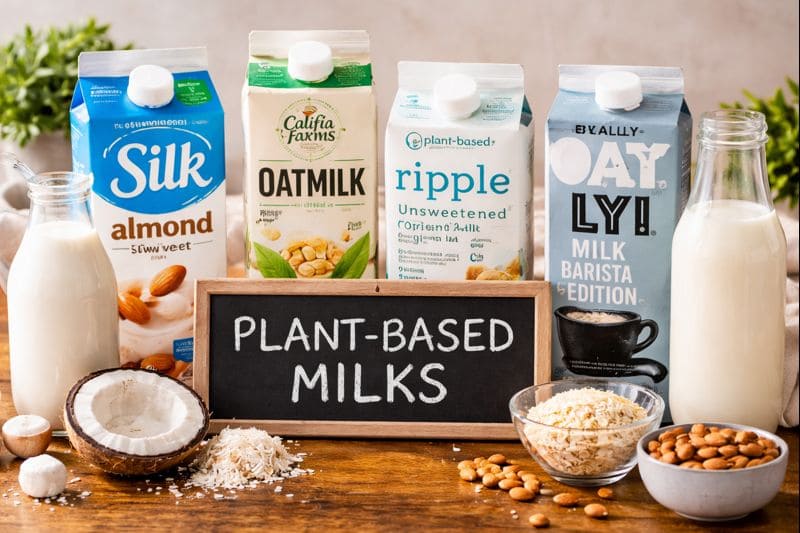
Plant based milk is any milk-like beverage made from plants rather than animals. That includes familiar options like oat, almond, soy, coconut, and hemp, along with newer choices like pea milk. Most are made by blending the base ingredient with water, then straining and fortifying for texture and nutrition. This means each type has its own natural strengths—oats tend to be creamy, almonds are light, soy is often more structured, and pea-based options can bring a different balance.
Many cartons come in sweetened, unsweetened, flavored, and “barista” styles. If you want the most flexible everyday option, unsweetened versions are usually easiest because they won’t add extra sugar to soups, sauces, or coffee.
The Big Categories of Milk Alternatives
Instead of thinking “best plant milk,” it helps to think in categories:
Creamy and coffee-friendly:
Oat milk is often chosen for its smooth texture and gentle sweetness, especially in lattes and iced coffee. It tends to blend well and soften bitterness.
Light and refreshing:
Almond milk is popular for sipping and cereal, especially for people who want something that doesn’t feel heavy.
Structured for cooking and baking:
Soy milk often behaves more like dairy in recipes that need stability, giving structure to batters and creamy dishes.
Distinctly flavored and rich:
Coconut milk is rich and tropical, perfect for curries and desserts when you want that flavor.
Balanced and “nutty” without being overpowering:
Hemp milk offers a subtle earthy note and a naturally creamy mouthfeel.
Once you see these as categories, choosing milk alternatives becomes much easier.
Pea Milk: The Newer Option Worth Knowing
Pea milk has grown in popularity because it offers a different profile than nut or grain milks. It’s made from pea protein and water, often with oils and minerals added for texture and fortification. Many people choose pea milk when they want something that feels closer to dairy in thickness but don’t want soy or nuts.
Taste-wise, pea milk is usually mild. Some brands have a slightly “savory” undertone, while others are formulated to taste more neutral. Performance-wise, it can do well in smoothies, cereal, and some cooking applications, depending on the brand and whether it’s sweetened or unsweetened.
If you’re experimenting with a plant based milk substitute for recipes, pea milk can be a strong option when you want body and balance without a strong oat sweetness or almond lightness.
How to Choose the Best Plant Based Milk Substitute for Your Needs
A simple decision method:
- What are you making? Coffee, cereal, baking, sauce, soup, dessert.
- Do you want the milk to add flavor? Coconut adds flavor; soy and oat are more neutral; almond is light.
- Do you need thickness? For creamy recipes, you’ll want a richer option or a “barista” style carton.
- Is it sweet or savory? Choose unsweetened for flexibility in savory dishes.
For example, if you’re baking muffins, most milk alternatives will work. But if you’re making a creamy pasta sauce, almond milk may feel thin, while oat or soy may hold up better.
When Plant Milks Aren’t Enough: Creamy Cooking Upgrades
Sometimes the recipe needs more richness than any regular plant milk can provide. That’s where a substitute for heavy cream becomes important—especially for soups, sauces, and desserts. You can often get closer by using a thicker “barista” oat milk, adding a plant-based creamer, or blending in a richer component to mimic the fat content and body that heavy cream provides. The best approach is to match the recipe’s goal: thickness, silkiness, or both.
Conclusion
Plant based milk alternatives are at their best when you treat them as tools, not just replacements. The right plant based milk depends on what you’re making and how you want it to taste: oat for creamy coffee, almond for light sipping, soy for reliable cooking, coconut for bold richness, hemp for subtle depth, and pea milk for a balanced, dairy-like feel in many everyday uses. With a little strategy, milk alternatives stop feeling confusing and start feeling empowering—because you can choose the perfect plant based milk substitute for your drink, your recipe, and your lifestyle. And when you need extra richness, pairing your plant milk with a smart substitute for heavy cream keeps your cooking creamy without relying on dairy.