
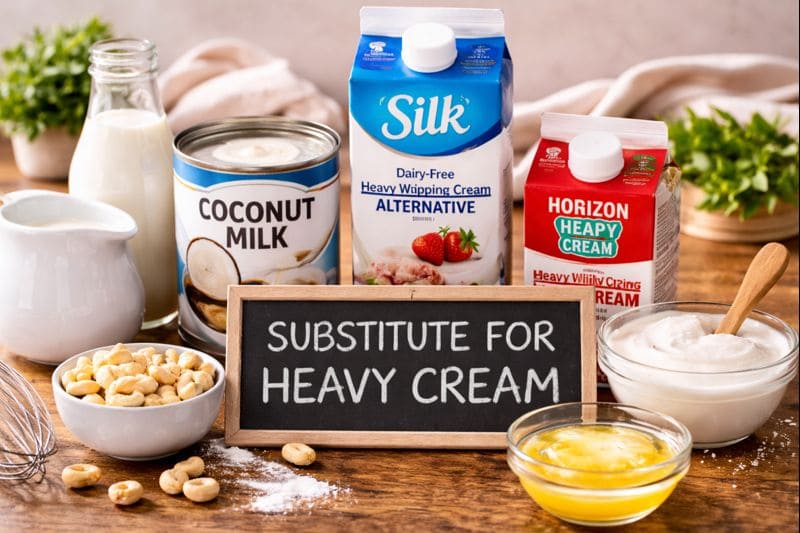
Heavy cream is the shortcut to richness. It thickens sauces, softens spice in soups, adds silkiness to desserts, and turns coffee into a treat. But you don’t always have it on hand—and sometimes you don’t want to use it. Whether you’re cooking dairy-free, watching richness, or simply out of cream, the good news is that a substitute for heavy cream is usually easy once you know what the recipe needs. Some dishes need thickness, others need fat, and a few need the ability to whip. In this guide from Other Than Milk, we’ll explore the best options for a heavy cream alternative, explain when each one works, and help you avoid common kitchen pitfalls.
What Heavy Cream Does in Recipes
Heavy cream brings three main qualities:
- Fat and richness for mouthfeel and flavor
- Thickening power (especially when simmered)
- Whipping ability for airy toppings and mousse-like desserts
The right sub for heavy cream depends on which of those qualities matters most in your recipe. A soup needs creaminess and stability; a whipped topping needs structure and air. One substitute rarely does everything.
The Best Heavy Cream Alternative for Cooking
For soups, sauces, and casseroles, your goal is usually creamy texture and heat stability. Great options include:
- Half and half or a richer dairy blend: This is thinner than heavy cream but often works well in cooked dishes. You may need a gentle thickener if the recipe depends on heavy cream for body.
- Plant-based creamers: Many are designed to mimic dairy richness and can thicken nicely in heat.
- Thicker plant milks: Barista-style oat milks or richer blends can bring creamy mouthfeel, especially if you simmer gently.
If your dish is highly acidic (tomato sauces, citrus, wine reductions), add your substitute slowly and keep heat low to reduce the risk of separation. Stir consistently and avoid boiling hard.
Half Half Cream Substitute: When You Need “In Between” Richness
Sometimes you don’t need full heavy cream richness—you just need something that’s creamier than milk. That’s where people often look for a half half cream substitute. In cooking, a half-and-half style texture can be made by combining a richer element with a lighter milk base until it feels balanced.
This can help when:
- You want creamy coffee but not full cream
- A recipe calls for half and half but you only have milk and a richer option
- You’re building a lighter sauce that still feels smooth
The key is tasting and adjusting. Start with the lighter base, then add richness in small amounts until the texture matches what you expect.
Baking: Where Substitutes Usually Work Well
In many baked goods, heavy cream is there for moisture and richness, not necessarily for a precise chemical reaction. That means a sub for heavy cream is often forgiving. Pancakes, muffins, quick breads, and many cakes can handle substitutes like half and half, richer plant milks, or diluted creamers.
Where baking gets tricky is when the cream is a key texture driver—like in ganache, custards, or certain frostings. In those cases, choose a thicker substitute and consider how it will set when chilled. If your substitute is too thin, the dessert may not firm up the way you expect.
Heavy Cream Substitute Whipping Cream: The Whip Question
Whipping is the hardest feature to replicate. A true heavy cream substitute whipping cream needs enough fat and the right structure to hold air. Regular milk (dairy or plant-based) won’t whip into peaks. Some plant-based “whipping” products are designed specifically for this purpose, and they can work well depending on the brand and recipe.
If your recipe needs whipped topping, choose an option specifically labeled for whipping. If you’re trying to whip a general-purpose creamer, results may be inconsistent. For desserts like mousse or stabilized whipped toppings, this detail matters.
If you don’t need actual whipped peaks but want a creamy topping, you can sometimes use a thicker spoonable alternative (like a rich, chilled creamer) as a “dollop” style finish instead.
Choosing the Right Substitute Without Overthinking
Ask two questions:
- Is the cream being heated, baked, or whipped?
- Do I need thickness, richness, or both?
- Heated sauces and soups: prioritize stability and creaminess.
- Baking: prioritize moisture and body.
- Whipped desserts: prioritize whipping ability (specialized products help).
And always avoid strongly sweetened or vanilla-flavored substitutes in savory dishes.
A Natural Option for Dairy Lovers: Lactose-Free Milks
If you want to keep a classic dairy flavor but avoid discomfort, lactose free milks can be a useful bridge. They behave like dairy in recipes, which can make them easier to use when you’re replacing cream in cooking or baking. While they won’t whip like heavy cream, they can help with creamy texture and familiar taste in many dishes.
Conclusion
The best substitute for heavy cream depends on your goal. For cooking, a heavy cream alternative like half and half, plant-based creamer, or thicker plant milk can deliver smooth richness—sometimes with a little thickening help. For baking, many substitutes work well because structure comes from other ingredients. For desserts that must whip, heavy cream substitute whipping cream options should be specifically designed to whip into peaks. And if you still want dairy taste with easier digestion, lactose free milks can support creamy results in many everyday recipes. With the right sub for heavy cream, you can keep your dishes silky, satisfying, and fully “Other Than Milk.”