
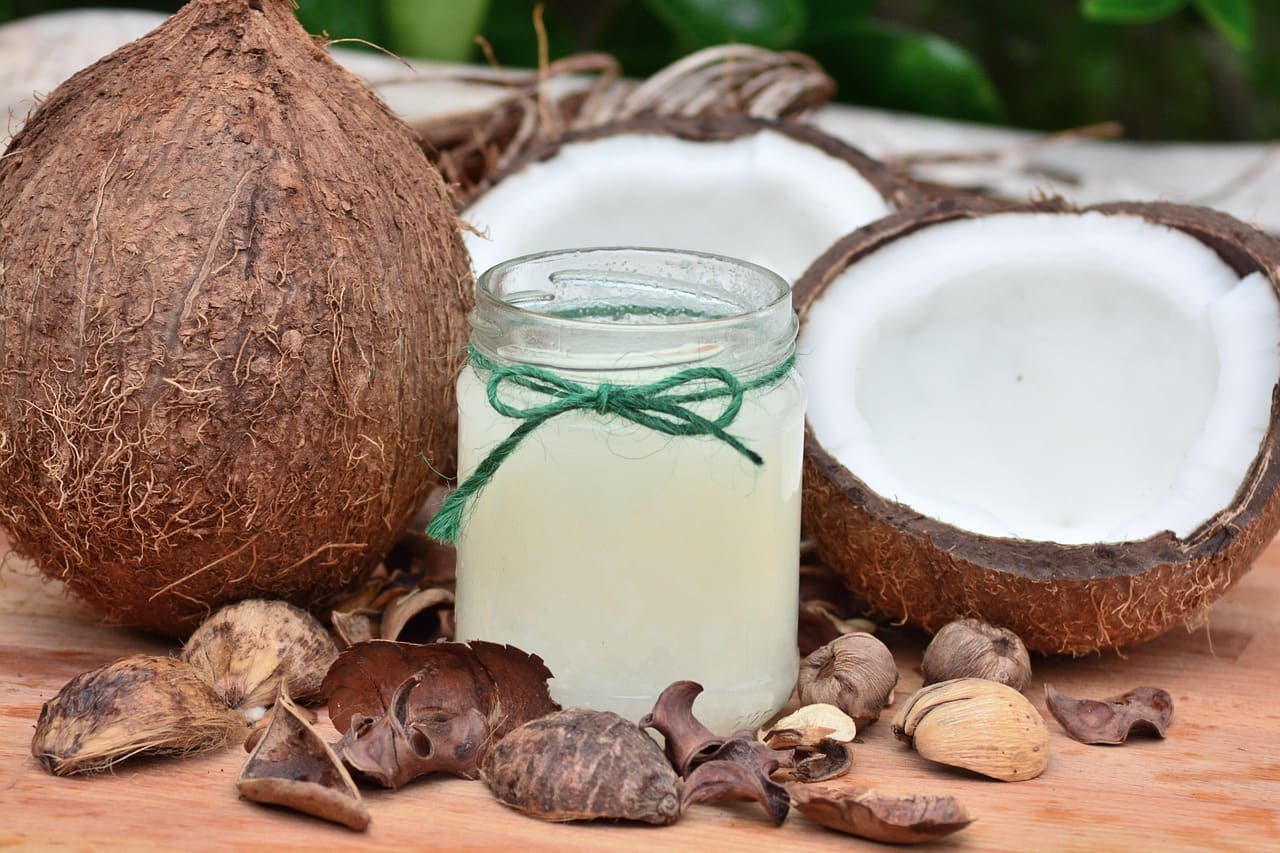
Coconut milk is a kitchen favorite for good reason: it’s rich, creamy, and brings a tropical warmth to everything from curries to desserts. But sometimes coconut flavor doesn’t fit the dish, coconut isn’t available, or you need an option that’s lighter, lower in fat, or allergy-friendly. That’s where a coconut milk substitute can save the day. The key is knowing what the recipe needs from coconut milk—thickness, sweetness, fat, or simply “milk” volume—so you can choose a replacement that behaves the same way. In this guide from Other Than Milk, we’ll break down the best ways to swap coconut milk in savory and sweet recipes, including choices for coconut cream and cream of coconut.
What Kind of Coconut Ingredient Are You Replacing?
Before you pick a swap, clarify which coconut product the recipe calls for:
- Coconut milk (canned): creamy, savory-friendly, medium-thick
- Coconut cream: thicker and higher-fat than coconut milk
- Cream of coconut: sweetened, syrupy, often used in cocktails and desserts
Because these behave differently, the best coconut milk alternative depends on what you’re replacing. A thin substitute may work in soup but fail in a pie filling. A sweet substitute may be perfect in a drink but wreck a curry.
Savory Cooking: Neutral Creaminess Without the Coconut Flavor
For savory dishes like curries, soups, and sauces, most people want the creaminess of coconut milk without the coconut taste. A strong coconut milk alternative here is a thicker plant milk blended with a little fat. A simple approach is using unsweetened plant milk and stirring in a neutral oil or a spoonful of dairy-free butter to recreate the richness coconut normally provides.
If you need thickness, you can also use a small amount of starch slurry (like cornstarch and water) to help the sauce coat the spoon. This is especially helpful in curries where coconut milk usually rounds out spice and adds body.
Some recipes do fine with blended nuts or seeds for creaminess. For example, a smooth, blended base can mimic coconut milk’s mouthfeel without adding sweetness or fragrance. Just make sure your substitute isn’t vanilla-flavored or sweetened if you’re cooking savory food.
Baking and Desserts: Replacing Coconut Cream and Cream of Coconut
Desserts and drinks can be trickier because coconut often provides both fat and flavor. If a recipe needs coconut cream, you’ll want an alternative to coconut cream that’s thick and stable. Look for a high-fat substitute: a thick plant-based creamer, or a concentrated mixture made by reducing a plant milk gently on the stove. Another option is blending a small amount of neutral fat into a thicker plant milk to mimic the richness.
If the recipe calls for cream of coconut, you need a substitution for cream of coconut that accounts for sweetness. Cream of coconut is sweetened and syrupy, so a good substitute is a thick plant-based creamer plus added sweetener to match the original’s intensity. You can also use a neutral milk base with sugar and a touch of vanilla if the recipe expects that dessert-style sweetness.
For coconut-forward desserts where you still want a hint of coconut but less intensity, combining ingredients can help. Many people like almond milk with coconut because it softens the coconut flavor and creates a lighter, less heavy result. This blend can work well in smoothies, puddings, and certain baking recipes where full coconut richness feels too strong.
Drinks, Smoothies, and “Good Enough” Swaps
In smoothies, a coconut milk substitute is usually easy because fruit and flavorings mask differences. If you want creaminess, choose a thicker plant milk or add texture with ingredients like banana, oats, or nut butter. For coffee drinks and hot beverages, the best substitutes are “barista-style” plant milks designed to hold up to heat and foam.
If you’re making something where coconut is the star (like a tropical drink), the substitute won’t be identical—but it can still be delicious. The goal becomes balance: creaminess plus sweetness plus a pleasing mouthfeel, even if it doesn’t taste exactly like coconut.
Choosing the Right Substitute: A Simple Decision Guide
Ask yourself:
- Do I want coconut flavor or not?
If not, choose neutral, unsweetened options. - Is the dish savory or sweet?
Savory needs neutrality; sweet may need added sugar. - Do I need thickness or just “milk”?
Thickness calls for creamers, blending, or gentle reduction.
It can also help to keep a few versatile plant milks on hand. If you’re exploring options beyond almond and oat, hemp milk is a great one to know. It has a naturally creamy texture and a subtle earthy flavor that can work in both savory sauces and smoothies—making it a handy backup when you need richness without coconut.
Conclusion
A coconut milk substitute works best when you match the replacement to the recipe’s purpose: thickness, fat, sweetness, or flavor. For savory dishes, a coconut milk alternative often means a neutral plant milk plus a little added richness. For desserts, you may need an alternative to coconut cream that’s thicker—or a substitution for cream of coconut that includes sweetness. And if you want a gentler coconut note, almond milk with coconut can create a lighter, balanced blend. With a few smart swaps (and a versatile option like hemp milk in your rotation), you can keep your recipes creamy, satisfying, and fully “Other Than Milk.”