
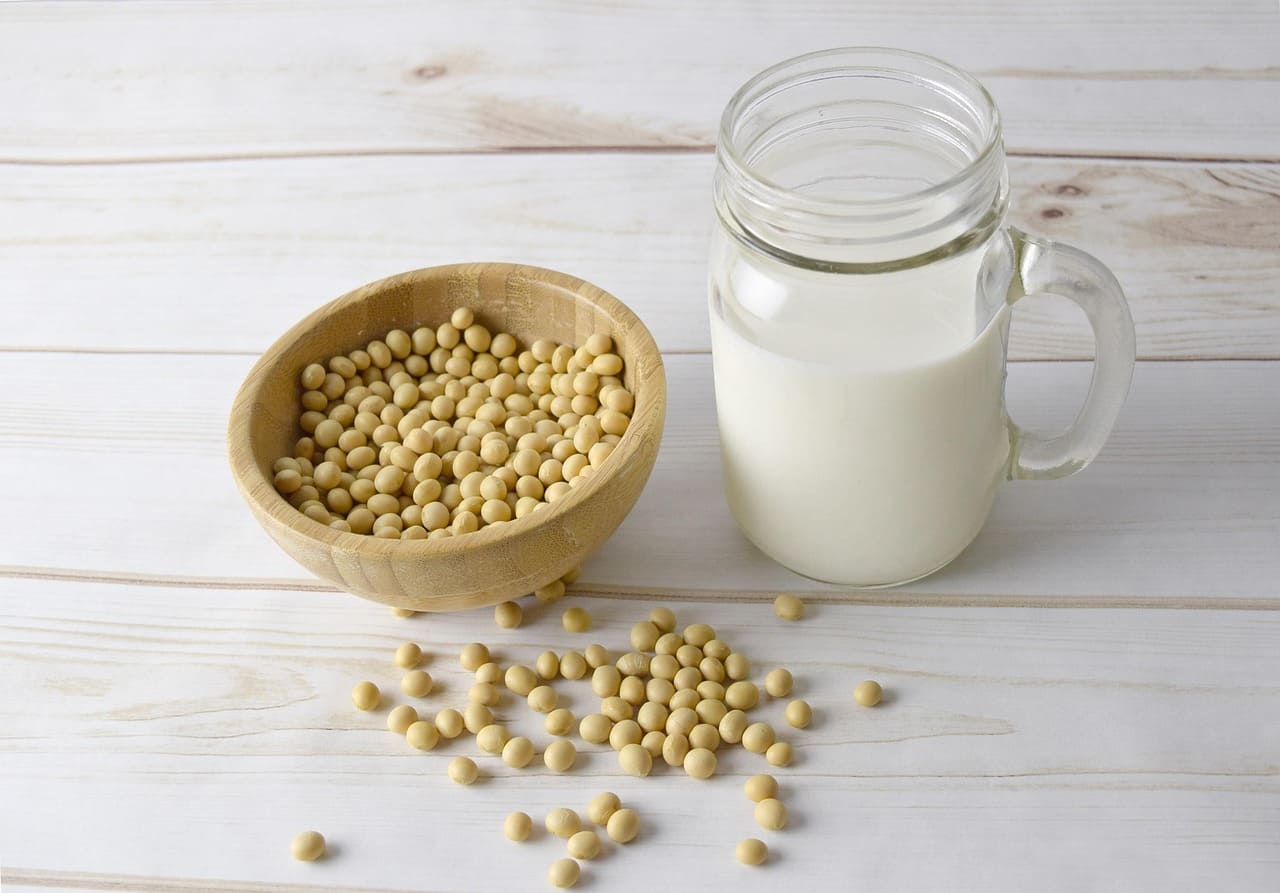
Unsweetened soy milk is one of the most practical milk alternatives you can keep in your fridge. It’s smooth, neutral enough for daily use, and known for having a more “milk-like” structure than many other plant options—especially when it comes to protein. That makes it a favorite for smoothies, baking, and recipes where you don’t want the flavor to take over. If you’ve tried plant milks that felt watery or overly sweet, unsweetened soy milk can be a refreshing change: it’s straightforward, versatile, and easy to build into your routine. In this guide from Other Than Milk, we’ll explore what makes unsweetened soy milk unique, how it performs in common uses, and what to look for when choosing a carton.
What “Unsweetened” Really Means (and Why It Matters)
“Unsweetened” means no added sugar, but it doesn’t always mean “no sweetness at all.” Soy naturally has a mild, subtle sweetness that can show up more in some brands than others. Still, choosing an unsweetened option makes it easier to control flavor—especially in cooking—because you aren’t accidentally adding sugar to savory dishes or overpowering a coffee drink.
You’ll often see it written differently, too. Some labels say unsweetened soya milk, while others use “soy.” The difference is mostly regional wording, but the goal is the same: a simple, no-added-sugar base that works for both sweet and savory recipes.
Taste and Texture: What to Expect
Unsweetened soy milk tends to have a light “bean” note, especially if you drink it plain. Most people find that flavor becomes nearly invisible once you add it to coffee, cereal, or smoothies. Texture-wise, soy milk is usually thicker than almond milk and more structured than many rice or thin nut milks, which helps it feel satisfying.
If you’re switching from dairy, soy is often one of the easiest transitions because it’s not overly watery and it behaves well with heat. That said, some people prefer to chill it well before drinking to keep the flavor extra clean and mild.
Why Soy Milk Works So Well in Cooking and Baking
One of soy milk’s biggest strengths is performance. Many plant milks taste good but don’t behave like dairy when heated, thickened, or baked. Unsweet soy milk (a common short phrase people use) often performs reliably in these situations.
In baking, soy milk can help with:
- Moisture and structure in cakes and muffins
- Binding in batters (especially when combined with leavening)
- Even browning in some recipes
In cooking, it’s great for:
- Creamy soups and blended sauces
- Mashed potatoes and casseroles
- Pancake batter and waffles
Because it’s unsweetened, it won’t clash with savory flavors, and because it’s sturdy, it’s less likely to “disappear” the way thinner milks can.
Brand Notes: Silk Options and What They’re Good For
Many people specifically search for familiar brands when they want consistency. Silk unsweetened soy milk is often chosen as a dependable everyday carton because it’s easy to find and tends to be balanced in taste and texture. If you prefer a simpler ingredient approach, Silk organic soymilk may appeal to you for a more “back to basics” feel, depending on what you value in sourcing and ingredient lists.
The best approach is to test how a brand behaves in your actual routine. Try it in coffee, try it in a smoothie, and try it heated gently in a small saucepan. The brand that tastes fine cold but separates in a hot drink might not be the best fit for your kitchen goals.
Nutrition and Who Might Prefer Soy
Soy milk is often chosen because it can offer a protein profile closer to dairy than many nut-based options. That can be useful if you’re building smoothies, trying to feel fuller after breakfast, or looking for a plant milk that supports a higher-protein day. It also tends to be widely available in fortified versions (often with added calcium and vitamins), which can be helpful when you’re reducing dairy intake.
Of course, everyone’s body is different. If soy doesn’t agree with you or you prefer another flavor profile, there are plenty of alternatives. This is where it helps to know your go-to swaps. For example, if a recipe calls for coconut milk but you want less coconut flavor, having a reliable coconut milk substitute on hand—like a thicker oat or soy-based option—can keep the dish creamy while staying neutral.
Tips for Using Unsweetened Soy Milk Daily
- Shake before pouring: natural settling can happen.
- Use it chilled for best flavor: especially if you’re sensitive to soy notes.
- Heat gently when possible: sudden high heat can cause slight separation in some brands.
- Match it to the job: soy is excellent for structure; oat is often best for sweetness and mouthfeel.
Conclusion
Unsweetened soy milk is popular for a reason: it’s practical, balanced, and dependable in both drinks and recipes. Whether you call it unsweetened soya milk or reach for unsweet soy milk as your daily staple, it offers a clean base that doesn’t add sugar and often performs well under heat. Brands like Silk unsweetened soy milk and Silk organic soymilk give many people a consistent option for coffee, cereal, and cooking. If you want a plant-based milk that’s simple, protein-forward, and versatile—and that can even help you when you need a creamy coconut milk substitute—unsweetened soy milk is one of the best foundational choices to keep on hand.